2026 Best Private Label Clothing Trends and Innovations to Watch?
The landscape of Private Label Clothing is rapidly evolving. As we approach 2026, new trends and innovations are emerging. Brands are focusing on sustainability, technology integration, and personalized shopping experiences. These shifts are crucial for staying competitive in the market.
The demand for unique, private label products continues to grow. Consumers seek exclusive designs that reflect their individual styles. It's essential for brands to adapt quickly. Many businesses struggle to keep up with these changes. They may miss opportunities to connect with their audience.
As we explore the upcoming trends, consider how these elements impact the overall market. The future of Private Label Clothing holds both promise and challenges. Businesses must reflect on their strategies. Embracing innovation is key to thriving in this dynamic environment.
Emerging Fabric Technologies Influencing Private Label Clothing Trends
Private label clothing is evolving rapidly.
Emerging fabric technologies play a key role in shaping the future.
Sustainable materials are becoming a focal point.
Consumers prefer eco-friendly options. This trend is not just a fad; it's a necessity.
Brands can explore recycled fabrics. For example, using plastic bottles to create new textiles is gaining momentum.
These innovations reduce waste and appeal to conscious shoppers.
Consider water-saving techniques too. Fabrics that require less water during production are essential.
This is crucial for sustainability.
Tips: Experiment with blends of organic cotton and innovative fibers.
This combination enhances durability while remaining comfortable.
Always test fabric performance. Evaluate how these materials wear over time.
Reflect on what sells and what doesn’t.
Understand consumer feedback. It's vital for growth.
Sustainable Practices in Private Label Clothing Production
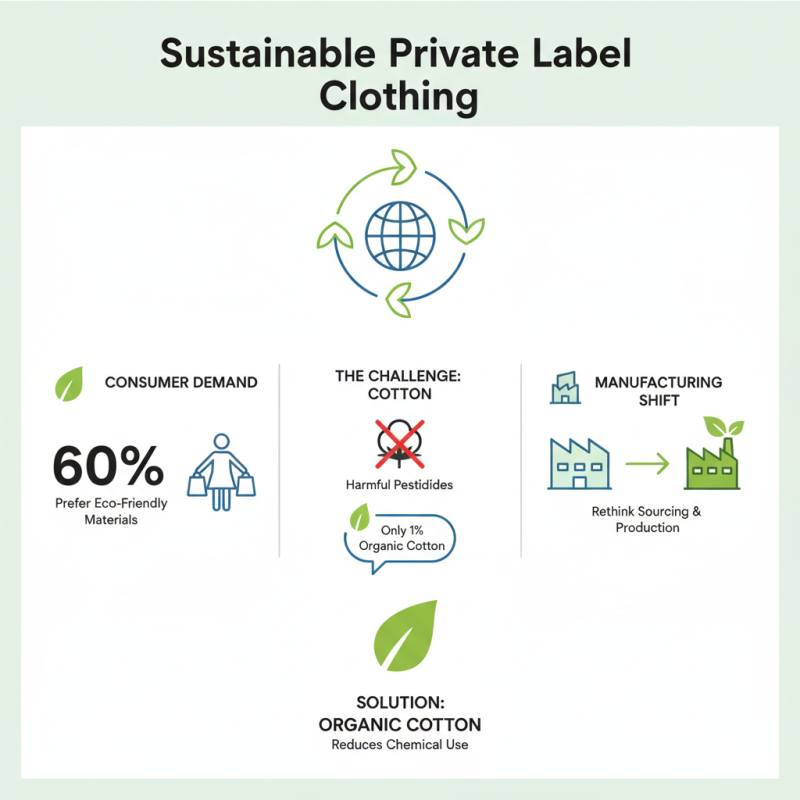
Sustainable practices are becoming essential in private label clothing production. Recent reports indicate that 60% of consumers prefer brands using eco-friendly materials. This trend presses manufacturers to rethink sourcing and production methods. Cotton, for example, is often grown using harmful pesticides. Switching to organic cotton reduces chemical use and helps the environment. Yet, only around 1% of the world’s cotton is organic.
Transparency in the supply chain is another critical aspect. A survey reveals that 73% of consumers want to know where their clothes come from. Companies must disclose their sourcing processes to build trust. However, many still struggle with full visibility. Innovations like blockchain technology could improve tracking. Despite this, significant barriers remain. For many producers, implementation costs are a major deterrent.
Moreover, water waste is a pressing issue. The fashion industry is responsible for 20% of global wastewater. Brands are beginning to adopt water-efficient techniques, but progress is slow. Efforts like closed-loop systems are promising. Still, only a fraction of companies are implementing these methods effectively. The gap highlights ongoing challenges in balancing growth with sustainability.
Customization and Personalization Trends in Fashion Retail
In the evolving landscape of fashion retail, customization and personalization are rapidly gaining traction. Recent studies indicate that over 60% of consumers prefer brands that offer personalized shopping experiences. This trend is transforming how clothing is designed, marketed, and sold. Shoppers are no longer satisfied with one-size-fits-all. They want unique pieces that reflect their individual style.
Emerging technologies play a crucial role here. 3D printing and advanced design software enable brands to offer personalized garments at scale. This innovation allows for quick adjustments to fit and fabric preferences. Additionally, data analytics helps retailers understand consumer behavior better. Still, some challenges remain. Many brands struggle to implement these technologies efficiently. High production costs and long lead times can hinder progress.
Moreover, there is a critical need to balance personalization with sustainability. The push for individualized clothing may lead to overproduction and waste. A recent report found that 75% of consumers are concerned about the environmental impact of fast fashion. Brands must reflect on how to create meaningful personalization without compromising sustainability. Balancing these elements will be essential as the fashion retail space continues to evolve.
Digital Marketing Strategies for Private Label Clothing Brands
The world of private label clothing is evolving rapidly. With digital marketing strategies at the forefront, brands need to adapt or risk falling behind. Social media is a powerful tool. Visual storytelling on platforms like Instagram can showcase apparel in real-life scenarios. Use vibrant images that highlight fabric texture and fit.
Engaging content is vital. Don’t just post product images; share behind-the-scenes processes or designs. Consumers crave authenticity. Brands should embrace their unique story. This connection builds trust. It often leads to loyalty and repeat purchases.
Tips: Focus on micro-influencers. They engage niche audiences effectively. Their followers often trust their recommendations. Create engaging video content. It increases interaction and keeps followers informed. Short reels can highlight product features creatively. Stay updated on trends. Not all strategies will work for every audience. It’s important to experiment and learn.
2026 Best Private Label Clothing Trends
Consumer Behavior Shifts Impacting Private Label Clothing Choices
Consumer behavior is rapidly shifting, influencing private label clothing choices in significant ways. Today’s shoppers prioritize
sustainability, uniqueness, and affordability. They seek brands that reflect their values. This means private label clothing lines must adapt quickly to meet these evolving demands.
Tips: Focus on eco-friendly materials. Utilize organic cotton or recycled fibers. This appeals to environmentally conscious consumers.
Consider how designs can stand out. Incorporate vibrant colors or unique patterns. These elements make a brand memorable.
Another vital aspect is the rise of online shopping. More consumers prefer convenience over traditional shopping methods. Offering a seamless digital experience is crucial. Provide easy navigation and clear product descriptions. Ensure smooth returns. This builds trust and loyalty.
Tips: Use high-quality images that showcase details. A visually appealing website attracts buyers. Engage customers through social media. Share behind-the-scenes content. This interaction humanizes the brand and fosters community.