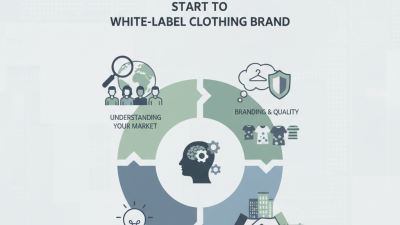
Top 10 Benefits of White Label Clothing for Global Buyers?
In the ever-evolving fashion industry, White Label Clothing has emerged as a strategic solution for global buyers. Expert Jessica Baldwin, a renowned consultant in garment production, emphasizes, "White Label Clothing allows brands to innovate without the constraints of traditional manufacturing." This statement highlights the flexibility and creativity possible within this market.
As businesses pivot towards sustainable practices, White Label Clothing offers unique benefits. Companies can present distinctive designs while outsourcing production efficiently. This approach not only saves time but also reduces overhead costs. Buyers can customize these products to meet consumer demands, enhancing their market positioning.
Despite the advantages, challenges exist. Ensuring quality control and maintaining consistency can be tricky when relying on third-party manufacturers. Companies must invest time in building relationships and trust with suppliers. An approach that balances creativity and caution is vital to succeed in this competitive landscape.

Understanding White Label Clothing: A Brief Overview
White label clothing is gaining traction in global markets. This trend allows retailers to focus on branding rather than manufacturing. According to Market Research Future, the global white label apparel market is expected to grow by 8% from 2021 to 2026. Such data reflects the increasing popularity of customizable clothing solutions.
Understanding white label clothing is crucial for global buyers. These products are created by manufacturers and sold without branding. Retailers can add their own labels, which reduces time-to-market. A report from Grand View Research highlights that 70% of companies are turning to white-label products to gain a competitive edge. This approach provides flexibility and scalability in a constantly changing fashion landscape.
However, the challenges are significant. Sourcing quality fabric and ensuring ethical production can be daunting. Communication barriers may arise between buyers and manufacturers. Buyers need to be diligent in selecting partners. A recent survey found that 45% of retailers face issues with quality control when working with white label suppliers. This emphasizes the importance of thorough research and planning.
Top 10 Benefits of White Label Clothing for Global Buyers
Cost Efficiency: How White Label Clothing Reduces Overhead Expenses
White label clothing provides global buyers with a unique opportunity to enhance their retail offerings while minimizing costs. One significant advantage lies in cost efficiency. By choosing white label products, businesses can reduce overhead expenses significantly. Manufacturers often handle production, allowing buyers to focus on marketing and sales. This shift in focus can lead to improved brand visibility and growth.
Tips for success: Ensure you choose suppliers with a proven track record. Research their manufacturing standards to maintain product quality. Also, consider bulk purchasing to take advantage of lower costs. It’s essential to balance savings with quality, as cutting corners may harm your brand's reputation.
Another aspect to consider is the potential for hidden costs. Shipping, tariffs, and duties can add up quickly. Buyers should calculate these expenses upfront to avoid surprises. Taking the time to analyze all associated costs can lead to smarter decisions. Sometimes, an attractive price can mask underlying issues. Always remember that the price isn’t everything; quality and reliability are just as crucial.
Customization and Branding Opportunities for Global Buyers
White label clothing offers global buyers unique customization and branding opportunities. With countless designs and fabrics available, businesses can create products that reflect their brand identity. This freedom allows for personal touches, from logos to color schemes. Buyers can target specific customer demographics, enhancing market appeal.
Customization is not just about aesthetics. It also involves tailoring garment features for functionality. For instance, adapting fits for various body types is essential. This enhances comfort and satisfaction for end-users. However, this process requires deep market research to understand consumer preferences. It's a challenge that can pay off substantially if executed well.
Yet, balancing differentiation with production feasibility can be complex. Suppliers may have limitations that hinder creative designs. Buyers must communicate effectively with manufacturers to ensure their vision is realized. This collaboration can expose pitfalls in logistics or material availability, making flexibility crucial. Learning to navigate these challenges fosters growth in both product development and supplier relationships.
Top 10 Benefits of White Label Clothing for Global Buyers
| Benefit |
Description |
| Customization |
Ability to tailor designs specific to target market preferences. |
| Branding Opportunities |
Potential to build and promote a unique brand identity without manufacturing overhead. |
| Cost-Effective |
Reduces production costs and allows for competitive pricing strategies. |
| Faster Time to Market |
Streamlined production processes enable quicker launch of products. |
| Access to Expertise |
Leverage the experience of manufacturers with industry knowledge. |
| Broader Product Range |
Opportunity to offer a diverse array of clothing styles and categories. |
| Reduced Risk |
Minimizes financial risk by not relying heavily on any single product line. |
| Flexibility in Orders |
Ability to adjust order quantities based on market demand. |
| Sustainability Options |
Possibility to choose ethically sourced materials and production methods. |
| Innovation |
Incorporate new trends and innovations rapidly into product lines. |
Quality Control and Sourcing: Ensuring Premium Products
In the white label clothing industry, quality control and sourcing play crucial roles. Buyers often seek partners who can guarantee premium products. Ensuring high standards starts with selecting reliable manufacturers. This requires thorough vetting and building strong relationships.
Quality checks are essential throughout the production process. Regular inspections can help catch defects early. However, not every production run is perfect. Issues may arise due to miscommunication or unexpected challenges. Noticing these problems promptly allows for immediate corrective action. Buyers should remain vigilant and proactive.
Sourcing responsibly also reflects a brand's values. Ethical production practices attract today’s conscious consumers. Yet, navigating this landscape can be complex. Diverse suppliers offer different benefits but also present unique challenges. The effort to understand each supplier's strengths and weaknesses is vital. This knowledge aids in making informed decisions, ultimately enhancing the brand's reputation.
Market Flexibility: Adapting to Trend Changes with White Label Solutions
Adapting to trend changes is crucial in the fast-paced fashion market.
White label clothing offers a flexible solution for global buyers.
These products allow businesses to respond quickly to consumer demands. With minimal lead times, brands can introduce
new lines without extensive research and development. This agility can translate to increased market share.
As trends evolve, the ability to pivot is invaluable.
When exploring white label options, consider these tips. First, stay informed about
upcoming fashion trends. Regularly check style forecasts and social media.
This helps in forming timely decisions.
Second, collaborate with reliable manufacturers.
Building a solid partnership ensures consistent quality and quicker turnarounds.
It’s also essential to evaluate existing inventory. Sometimes, products that don’t sell
as expected reflect larger market trends. Reassessing your offerings can lead to better alignment with consumer preferences.
Remaining adaptable and responsive creates a competitive edge. Understanding market dynamics can turn potential challenges
into opportunities.