Best Logo Printing On Clothes Options for 2026?
As we approach 2026, the demand for high-quality logo printing on clothes continues to surge. According to recent industry reports, the custom apparel market is projected to reach $10 billion globally by 2026. This growth underscores the increasing importance of branding through apparel. Effective logo printing on clothes enhances brand visibility and customer loyalty.
However, not all printing methods yield the same results. Screen printing remains a reliable choice, known for its durability and vibrant colors. Digital printing offers flexibility, allowing for intricate designs with quick turnaround times. Each method has its strengths and weaknesses, leading to varying outcomes that businesses must consider carefully.
Choosing the best option requires understanding specific needs. Factors like fabric type, print longevity, and budget constraints play crucial roles. As the industry evolves, new technologies and techniques emerge. Brands must adapt their strategies to remain competitive. Therefore, thoughtful consideration and ongoing reflection on these practices are essential for success in this dynamic market.
Understanding Logo Printing Techniques for Clothing in 2026
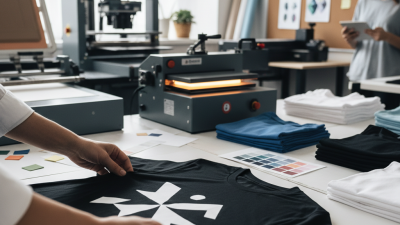
In 2026, understanding logo printing techniques for clothing becomes essential for brands looking to stand out. As per a recent industry report by Smithers Pira, the market for apparel printing is projected to reach $10 billion by 2026. This highlights the increasing importance of effective branding in a saturated market. Techniques like screen printing, direct-to-garment (DTG) printing, and sublimation are transforming the way logos are applied to clothing.
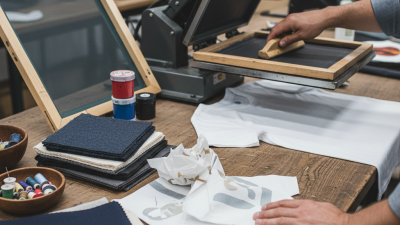
Screen printing remains popular due to its durability and cost-effectiveness for bulk orders. However, it can lack the versatility needed for intricate designs. On the other hand, DTG printing allows for detailed imagery and is ideal for small runs. This method is gaining traction, especially among small businesses wanting a unique flair. Sublimation printing is perfect for polyester fabrics, enabling vibrant, full-color designs. Yet, it requires careful fabric selection, as the technique does not work on cotton.
Tip: Always test print your logo on the selected fabric. This ensures the design retains its integrity post-wash. Another tip is to consider eco-friendly printing options. Consumers are increasingly favoring sustainable choices, making this a key factor for future success. Misjudging the fabric compatibility with printing techniques can lead to disappointing outcomes.
Key Materials and Fabrics for Optimal Logo Printing Results
When considering logo printing on clothing for 2026, the choice of materials plays a crucial role. Cotton is a popular fabric due to its softness and durability. It absorbs inks well, resulting in vibrant colors. However, it can shrink after washing, which is something to keep in mind. Blends of polyester and cotton also offer a great option. They provide strength and minimal fading, but may require special inks to achieve the best results.
For performance wear, moisture-wicking fabrics are essential. These materials keep the wearer dry while ensuring that logos remain clear. However, printing on synthetic materials can be challenging. Special techniques are required to secure the print without damaging the fabric. Users often overlook this crucial aspect and end up with disappointing results.
Another notable option is denim. With its sturdy structure, denim can hold prints well. Yet, achieving vibrant colors on denim requires specific ink types. It's not always straightforward, which might lead to less-than-ideal outcomes. Exploring various fabrics and techniques is vital to create impressive logo designs. Each fabric presents unique challenges and opportunities that require thoughtful experimentation.
Comparing Digital and Screen Printing Methods for Apparel
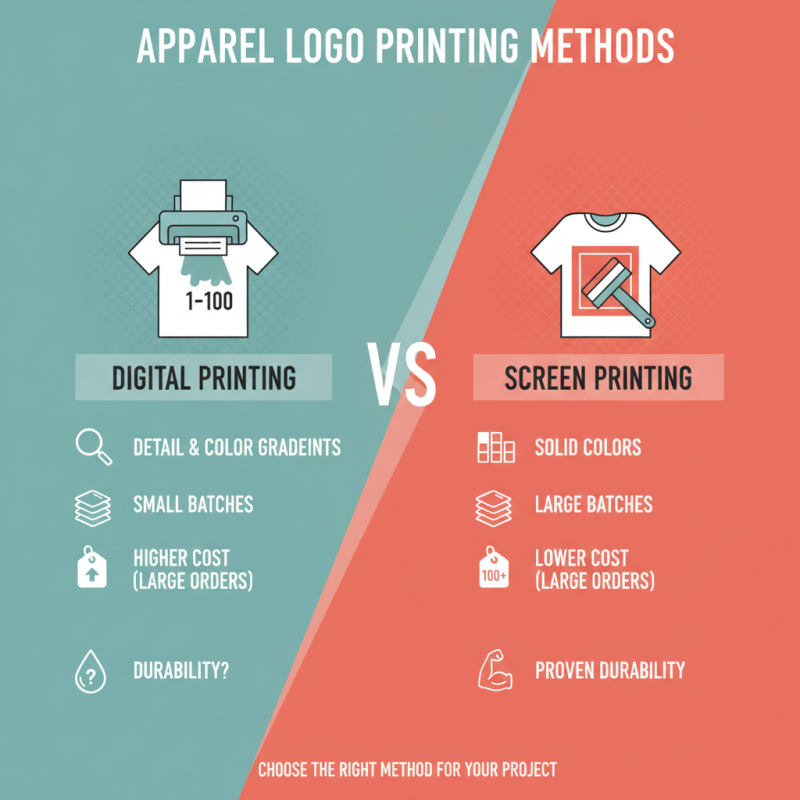
When considering logo printing on apparel, digital and screen printing are two prominent methods. Digital printing uses a specialized printer to apply the design directly onto fabric. This technique excels in detail and color variety. It’s ideal for small batches and intricate designs. However, the cost can be high for larger orders. Durability has also been questioned, especially for frequent wash cycles.
Screen printing, on the other hand, employs a stencil method. It involves pushing ink through a mesh screen onto the garment. This method is known for its long-lasting quality and vibrant colors. It’s perfect for bulk orders and simple designs. Yet, it requires setup time and can be less cost-effective for small runs. Quality inconsistencies can arise if not carefully monitored during production.
Both methods have unique strengths. Digital printing shines in versatility, while screen printing is revered for durability. Evaluating the purpose of your apparel can help you decide. Accuracy in choosing the right technique can lead to stunning results. Each option has its nuances, and understanding these details is pivotal for effective logo application.
Sustainable Logo Printing Options: Eco-Friendly Practices to Consider
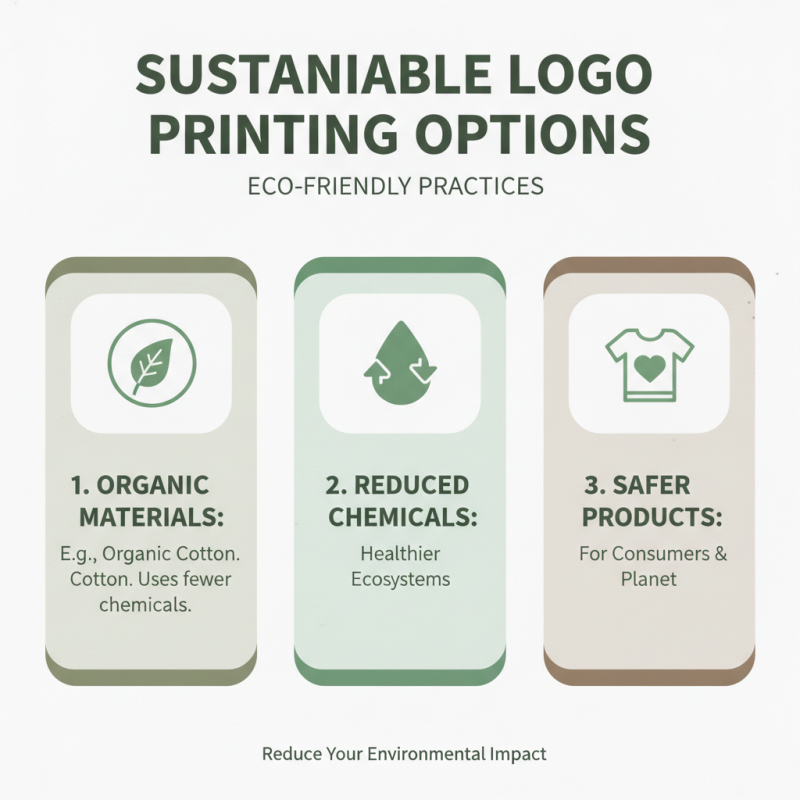
When considering sustainable logo printing options for clothing, several eco-friendly practices can make a difference. For brands aiming to reduce their environmental impact, exploring organic materials is essential. Organic cotton, for example, uses fewer chemicals during cultivation. This choice supports healthier ecosystems and safer products for consumers.
Printing methods also matter. Water-based inks are a fantastic alternative to traditional solvent-based inks. They are less harmful and offer vibrant colors. Brands can also consider digital printing. This method reduces waste significantly and allows for smaller batch production. It’s efficient and minimizes excess inventory.
Tips for a sustainable approach include always sourcing materials from reputable suppliers. Transparency is key in knowing where and how your products are made. Additionally, encourage reusability. Create designs that resonate with consumers, promoting shirts that can be worn across seasons. Remember, every small change contributes to a larger goal. Being eco-conscious isn’t perfect. Continuous improvement is necessary. Reflect on your practices and be ready to adapt for a greener future.
Emerging Trends in Logo Design for Apparel in 2026
In 2026, logo design for apparel is evolving. Designers focus on personalization and sustainability. Bold colors and unique typography are gaining prominence. Consumers want to express individuality through their clothing. This shift emphasizes the need for creativity and originality.
Emerging trends include minimalist designs. Simple logos can convey a strong message. They are easier to recognize and remember. However, the challenge lies in standing out in a saturated market. Brands must find innovative ways to capture attention without overwhelming consumers.
Moreover, eco-friendly materials influence design choices. Logos printed on sustainable fabrics reflect environmental awareness. This approach requires balance. The logo should still be visually appealing while adhering to ethical practices. Brands must navigate this complexity to resonate with conscientious customers.
Best Logo Printing On Clothes Options for 2026? - Emerging Trends in Logo Design for Apparel in 2026
| Logo Design Trend |
Color Palette |
Printing Technique |
Target Audience |
Material Compatibility |
| Minimalist Logo |
Monochrome & Pastels |
Screen Printing |
Young Adults |
Cotton, Polyester |
| Dynamic Typography |
Bold Colors |
Digital Printing |
Teens & Young Adults |
Nylon, Cotton Blend |
| Nature-Inspired Designs |
Earth Tones |
Eco-Friendly Printing |
Environmentally Conscious Consumers |
Organic Cotton |
| Vintage Aesthetic |
Muted Colors |
Embroidered Logos |
Adults 30-50 |
Cotton, Linen |
| Geometric Shapes |
Bright & Neon Colors |
Sublimation Printing |
Creative Professionals |
Polyester, Spandex |