Why Choose Private Label Clothing for Your Brand Success?
In today's competitive market, brands seek unique ways to stand out. Private Label Clothing offers a powerful solution. This approach allows brands to create tailored products that reflect their identity. With Private Label Clothing, brands can control quality and design, leading to a strong customer connection.
Many companies overlook the benefits of this strategy. They might stick to generic options and lose their uniqueness. However, those who embrace Private Label Clothing often find new opportunities. Customization can lead to better customer satisfaction. Additionally, these brands can enjoy higher profit margins.
Understanding Private Label Clothing is crucial. It presents challenges too, such as finding reliable manufacturers. Brands must be ready to invest time and effort in this process. A thoughtful approach will help in overcoming hurdles and achieving success. Embracing this aspect can truly transform a brand’s journey.
Benefits of Private Label Clothing for Brands
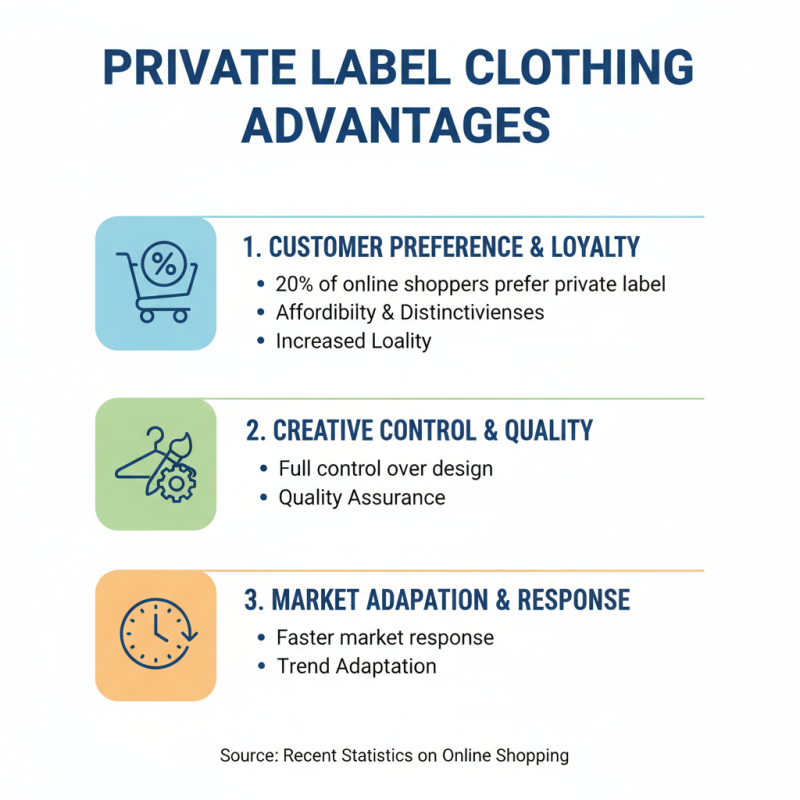
Private label clothing offers unique advantages for brands looking to stand out. According to recent statistics, 20% of online shoppers prefer private label products due to their affordability and distinctiveness. This can lead to increased customer loyalty. When brands create their own lines, they have control over design and quality. This flexibility allows for faster market response and trend adaptation.
One essential benefit is cost efficiency. Private label items often have lower production costs. A report by Statista shows private labels can save brands up to 30% compared to branded goods. This opens up opportunities for better pricing strategies. Brands may offer competitive prices while maintaining higher profit margins.
However, there are challenges to consider. Developing a private label requires investment and time. Not every company can successfully navigate these waters. Moreover, quality control must be prioritized. Poor execution can damage a brand’s reputation. Brands need to remain vigilant and continuously assess their offerings to ensure customer satisfaction.
Understanding the Private Label Clothing Concept
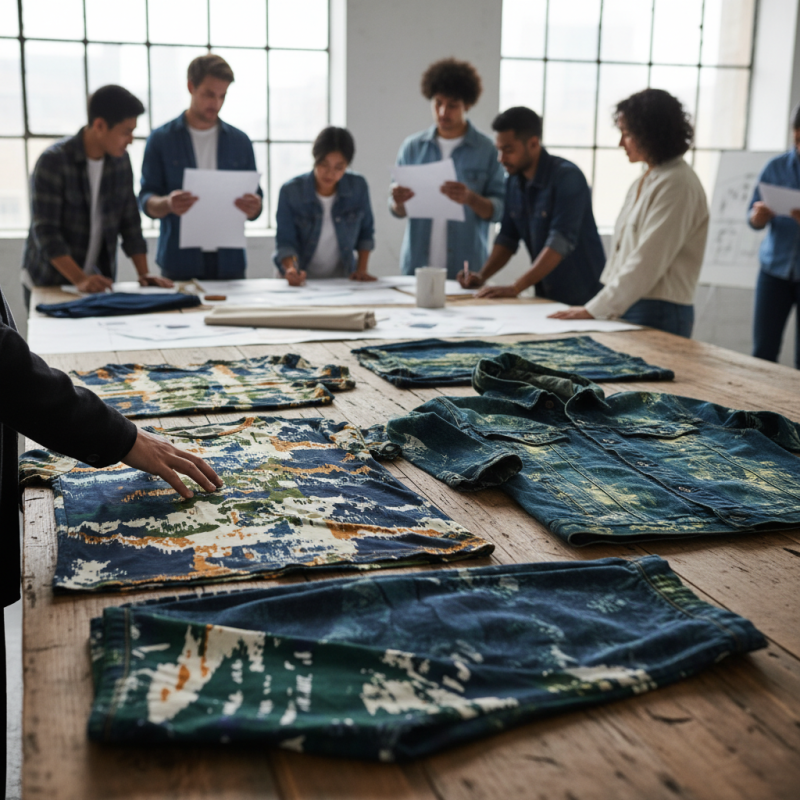
Private label clothing offers a unique opportunity for brand success. This concept involves creating apparel that is developed by one company but branded and sold under another name. The beauty of private label lies in customization. Brands can choose styles, fabrics, and colors that reflect their identity. This can lead to distinctive offerings in a crowded marketplace.
However, navigating this path is not without challenges. Quality control can become a significant concern. Not every manufacturer meets the expected standards. Brands must conduct thorough research to ensure products meet their vision. Additionally, there are market demands that may shift suddenly. Keeping up with trends can be daunting.
Collaboration with manufacturers is vital in this process. Open communication can prevent misunderstandings that may arise. Managing timelines is essential, as delays can affect sales. It's a juggling act, balancing creativity with practicality. This requires reflection and adaptability; not everything will go as planned. Each step teaches valuable lessons in building a cohesive brand.
Key Factors in Choosing the Right Manufacturer
Choosing the right manufacturer is crucial for your private label clothing brand. The right partner can elevate your business. Look for manufacturers with a strong portfolio. This shows their capability and design expertise. Check their previous work to gauge quality. A manufacturer’s experience can significantly influence your brand’s reputation.
Tips for finding the right fit: Visit the manufacturer’s facility if possible. This gives you a firsthand look at their processes. Communication is vital, so test their responsiveness. A good manufacturer should address your concerns promptly. Be aware of minimum order quantities. Some manufacturers may have high limits that could disrupt your budget.
Quality control is another key factor. Ask about their quality assurance processes. It’s essential that they adhere to standards. Remember, a small defect can damage your entire collection. Don’t hesitate to request samples. This can help you assess their workmanship directly. Reflect on whether the manufacturer aligns with your vision. The wrong choice may lead to frustrating delays or unsatisfactory products.
Why Choose Private Label Clothing for Your Brand Success? - Key Factors in Choosing the Right Manufacturer
| Factor |
Importance |
Considerations |
| Quality of Materials |
High |
Choose manufacturers with a strong reputation for quality and sustainable materials. |
| Minimum Order Quantity |
Medium |
Assess your budget and production needs to find a manufacturer with a suitable MOQ. |
| Production Time |
High |
Timely delivery is crucial for market entry and inventory management. |
| Customization Options |
High |
Look for manufacturers that offer flexible designs and varied styles to fit your brand identity. |
| Pricing |
Medium |
Ensure pricing aligns with your budget while maintaining quality standards. |
| Customer Service |
High |
Responsive and helpful customer support is essential for resolving issues and ensuring smooth communication. |
| Compliance with Regulations |
High |
Manufacturers should comply with industry standards and regulations for safety and labor practices. |
Marketing Strategies for Private Label Clothing Lines
Private label clothing is gaining traction among emerging brands. Recent studies indicate that private label brands account for approximately 25% of total retail sales. This market segment offers a realm of possibilities. Customization and branding play crucial roles in success. Understanding customer preferences is vital for developing unique apparel lines.
Marketing strategies are essential for private label clothing. Social media campaigns can effectively reach targeted audiences. Brands can leverage platforms like Instagram and TikTok for visually appealing content. Research shows that over 70% of consumers discover new brands through these channels. Engaging storytelling around the product enhances customer connection and loyalty.
However, there are challenges. Not all marketing efforts translate into sales. It’s vital to analyze which strategies yield results. Owners must be willing to adapt based on feedback. Frequent assessments can refine targeting and messaging. Building a brand identity takes time and consistency. As competition grows, hesitation can lead to missed opportunities. Investing in research and effective strategies is non-negotiable for success.
Building Brand Identity through Custom Apparel
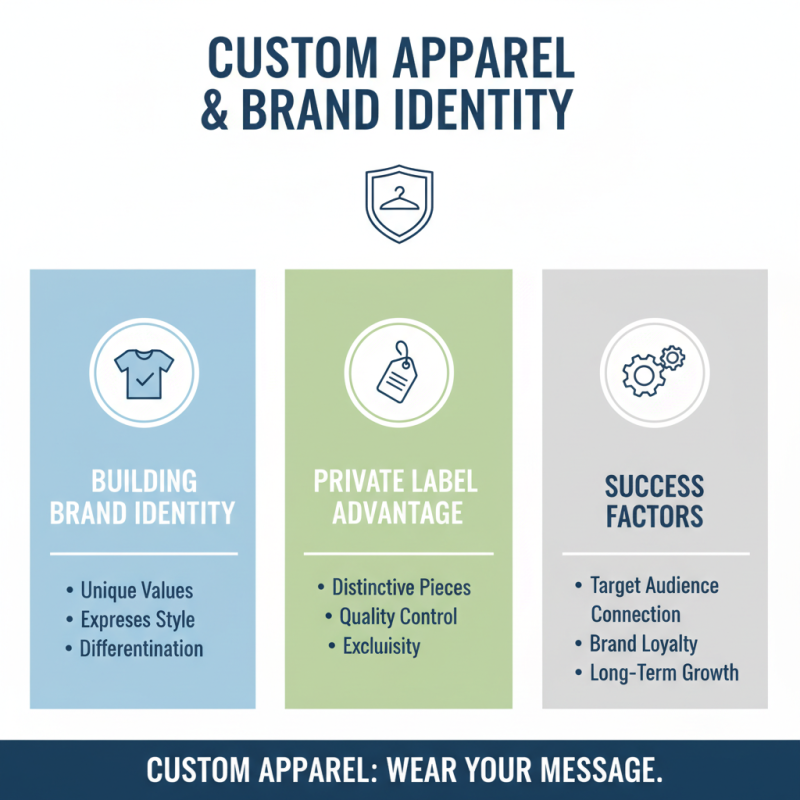
Custom apparel plays a crucial role in building brand identity. It allows businesses to express their unique values and style. When a brand chooses private label clothing, it can create distinctive pieces that resonate with its target audience. This connection is vital for long-term success.
Using custom designs, brands can showcase their creativity. Each piece tells a story. The fabric, colors, and logos reflect what the brand stands for. However, not every design hits the mark. It’s essential to gather feedback and make adjustments. Understanding customer preferences helps refine the brand's image.
Moreover, private label clothing can foster a sense of community. Customers wearing branded apparel feel connected to something bigger. But, if the quality isn’t there, it can backfire. Ensuring durability and comfort is necessary. A single poor experience can tarnish a brand's reputation. Listening to your customers is a must for growth and improvement.