inquiry
Inquiry
Form loading...

How to Choose Elegant Style Necklaces for Global Buyers?

Choosing Elegant Style Necklaces for Global Buyers requires more than following seasonal fashion. It means understanding proportion, material quality, cultural preferences, and daily comfort. A necklace may look refined in a studio photograph, yet feel too heavy during a long workday. That difference matters.

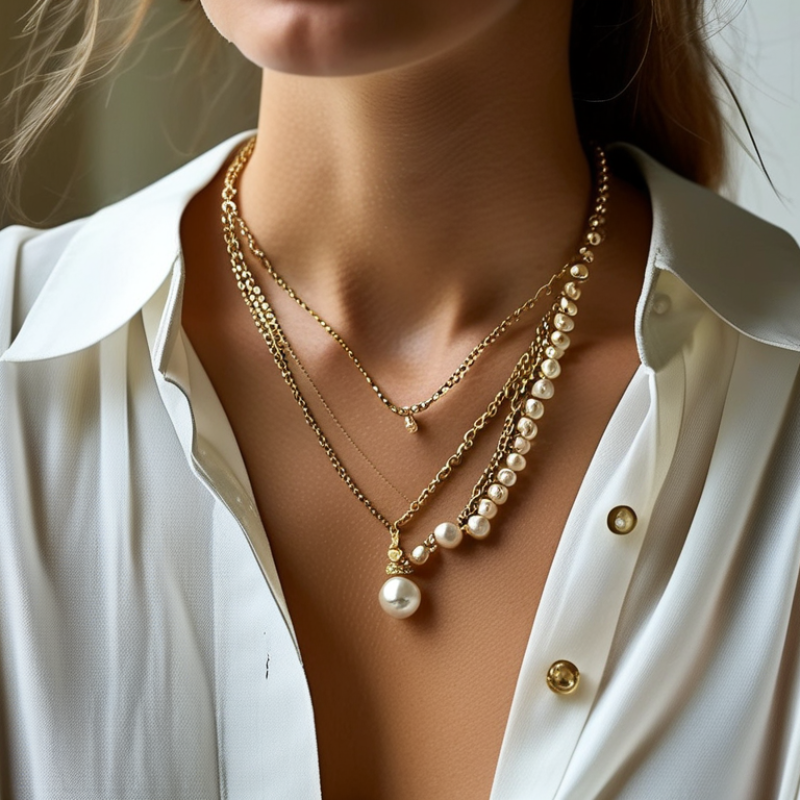
Coco Chanel, a lasting authority in fashion and jewelry styling, advised, “Before you leave the house, look in the mirror and take at least one thing off.” Her principle supports thoughtful restraint. Elegant Style Necklaces should frame the wearer, not overpower her face, neckline, or clothing. A slim gold chain can suit a quiet office outfit. A pearl pendant may complement a formal dinner. Layered designs can work beautifully, but uneven lengths may create visual clutter.

Global buyers also need dependable product information. Check metal purity, gemstone treatment, clasp construction, chain length, and care instructions. Look for clear photographs from several angles. Ask whether the necklace is nickel-free, especially for sensitive skin. Certification and transparent sourcing strengthen trust, but buyers should still verify unfamiliar claims. Regional tastes differ. Minimalist forms may appeal in Scandinavia, while colorful gemstone designs may attract customers in South Asia or the Middle East. These are tendencies, not rules.

Elegance is personal.

A practical buying guide should compare silhouette, finish, durability, and styling flexibility. It should also mention shipping protection, return terms, and local import requirements. One overlooked detail can damage a premium purchase. Even experts can misjudge scale from a screen. Measuring a favorite necklace at home is a small step, but it prevents an expensive mistake.
How to Choose Elegant Style Necklaces for Global Buyers?

Defining Elegant Style Necklaces for International Buyers

Elegant style necklaces are defined by balance, not excessive decoration. For international buyers, elegance must remain clear across cultures, markets, and daily settings. A slim chain, measured pendant, and calm finish often communicate refinement. These details feel polished without appearing too formal. Scale matters. A necklace should sit naturally near the collarbone, while its pendant should complement, not overpower, the wearer. Buyers should examine length options carefully, because body proportions and clothing habits differ worldwide.

Material information is equally important. Reliable sellers should state the base metal, surface finish, dimensions, weight, and care requirements. Clear product photos should show the clasp, pendant edges, and texture under balanced lighting. I have found that close-up images reveal quality faster than dramatic styling shots. Still, photos can mislead. Color may shift between screens, and plated surfaces may change with frequent contact or moisture. Honest descriptions should acknowledge these limits and explain reasonable care.

International buyers also need practical confidence. Check measurement charts, packaging protection, and customer service response times before ordering. A necklace can look elegant yet feel uncomfortable after several hours. Try to assess chain flexibility, pendant weight, and clasp usability. Personal taste remains difficult to standardize. Minimalism may seem universally elegant, but some customers prefer warmer shapes or subtle cultural references. That difference deserves respect, not correction. Elegant style is not perfection; it is thoughtful proportion, dependable information, and comfort in real life.
How to Choose Elegant Style Necklaces for Global Buyers?

Defining Elegant Style Necklaces for International Buyers

Necklace length strongly influences the overall elegance and styling effect. Shorter designs create a refined, close-to-the-neck appearance, while longer designs provide a more relaxed and layered look. The chart uses representative values from widely used international necklace-length conventions; exact ranges may vary by jeweler and market.

Identifying Necklace Designs for Different Personal Styles

Elegant style is not one fixed look. It begins with recognizing how someone dresses, moves, and feels. I learned this while helping shoppers compare delicate chains with sculptural pendants. A quiet dresser often prefers a fine chain, a small pearl, or a single polished stone. These pieces support an outfit without competing with it. Someone with a dramatic wardrobe may need a wider collar necklace or an unusual geometric pendant. Shape matters more than price. It sets the visual mood near the face.

Match necklace length to both neckline and personality. Chokers can feel confident and modern, but they may seem restrictive on some wearers. A 45-centimeter chain usually sits near the collarbone and suits shirts, knitwear, and open jackets. Longer styles create movement over plain dresses. Measure before ordering. It is a simple step, yet many buyers skip it. Also inspect clasp quality, metal details, stone settings, and care instructions. Reliable sellers should state materials clearly and explain return policies. Sensitive skin deserves nickel-conscious choices, not vague promises.

Personal style can change by occasion. A slim pendant works for daily meetings, while layered chains add texture to evening clothes. Keep layers varied in length, but limit competing colors. Too much coordination can look forced. I once selected a necklace because its shape looked impressive online. It arrived heavier than expected and pulled at my collar. That mistake changed my process. I now check weight, dimensions, and customer photographs before buying. Global shoppers should also consider local customs, shipping conditions, and care needs. For some buyers, that means choosing a lighter chain than their first impression suggests.

Choosing Materials, Gemstones, and Finishes

How to Choose Elegant Style Necklaces for Global Buyers?

Choosing Materials, Gemstones, and Finishes

Material affects both appearance and daily comfort. Sterling silver offers a cool, bright tone and suits detailed pendant designs. Gold provides warmth, but buyers should check karat, plating thickness, and metal composition. For sensitive skin, nickel-free options and clear material disclosures are important. I have found that weight also changes perceived quality. A necklace should feel substantial, not tiring.

Gemstones need more than attractive color. Sapphire, spinel, and quartz can withstand regular wear, while softer stones may scratch near clasps or sharp edges. Ask whether a stone is natural, lab-created, treated, or imitation. This information should appear clearly in product records. Color consistency matters for wholesale orders, although natural stones rarely match perfectly. That small difference can make each necklace feel personal.

Finishing creates the final impression. A mirror polish reflects light strongly, while satin or brushed surfaces look quieter and hide minor marks. Hammered textures add visual depth, but they may catch on delicate fabrics. Check clasp movement, edge smoothness, and plating coverage under bright light. I once overlooked a slightly uneven finish because the gemstone looked beautiful. It taught me to inspect the entire piece, not only its centerpiece. For international buyers, reliable measurements, care instructions, and material documentation support safer purchasing decisions.

How to Choose Elegant Style Necklaces for Global Buyers? - Choosing Materials, Gemstones, and Finishes

Material Gemstone Choice Recommended Finish Durability Reference Visual Character Care Guidance Best Use for Global Buyers
925 Sterling Silver
92.5% silver with other metals
Amethyst, blue topaz, garnet, freshwater pearl Rhodium-plated, high-polish, or satin Moderate; silver is softer than gold and can tarnish Cool, refined, and versatile Keep dry; store in an airtight pouch; polish gently Accessible everyday elegance and gifting
14K Gold
Approximately 58.5% pure gold
Diamond, sapphire, ruby, pearl High-polish, brushed, or mixed polished and matte High; durable for regular wear Warm, balanced, and suitable for layering Remove before swimming, sports, and chemical exposure Premium daily wear across diverse markets
18K Gold
Approximately 75% pure gold
Diamond, emerald, sapphire, ruby Mirror polish or soft satin High, but softer than 14K gold because of higher gold content Rich color and luxurious appearance Avoid abrasion; clean with mild soapy water and a soft cloth Formal occasions and luxury-focused collections
Platinum
Commonly about 95% platinum in jewelry alloys
Diamond, sapphire, ruby Polished, satin, or brushed Very high; dense and naturally white Cool-toned, substantial, and understated Professional inspection is recommended for settings over time Heirloom pieces and high-value statement designs
Stainless Steel
Iron-based alloy; composition varies
Cubic zirconia, crystal, onyx, colored glass PVD color coating, polished, or brushed High resistance to corrosion and everyday wear Modern, clean, and minimalist Confirm nickel content when skin sensitivity is a concern Travel-friendly fashion and affordable daily wear
Brass with Plating
Copper-zinc alloy with a surface layer
Synthetic stones, colored glass, cubic zirconia Gold-tone, silver-tone, antique, or matte plating Moderate; plating may wear with friction and moisture Decorative, expressive, and design-forward Avoid perfume, water, sweat, and prolonged skin contact Trend-led collections and seasonal designs
Diamond
Natural or laboratory-grown options
Colorless, champagne, or fancy-color diamond Brilliant polish with secure prong or bezel setting Mohs hardness 10; highly scratch-resistant Timeless sparkle and formal elegance Inspect the setting; avoid strong impacts despite high hardness Bridal, anniversary, and investment-oriented purchases
Sapphire or Ruby
Corundum gemstone family
Blue sapphire, pink sapphire, or ruby High-polish metal with bezel or protective halo setting Mohs hardness 9; suitable for frequent wear Vivid color with refined sophistication Warm water and soft brush cleaning; avoid harsh chemicals Color-led luxury and meaningful gifts
Emerald
Beryl gemstone with characteristic inclusions
Classic green emerald or lighter green varieties Bezel or halo setting; avoid sharp exposed edges Mohs hardness approximately 7.5–8; may contain natural fractures Distinctive, prestigious, and naturally individual Use a soft damp cloth; avoid ultrasonic and steam cleaning unless professionally approved Occasional wear and heritage-inspired designs
Freshwater Pearl
Organic gemstone formed by mollusks
White, cream, pink, lavender, or naturally varied tones Soft polish, satin metal, or classic pearl station design Mohs hardness approximately 2.5–4.5; prone to scratching Soft luster, feminine elegance, and cultural versatility Put on after cosmetics; wipe gently and store separately Bridal wear, classic styling, and occasion gifting

Selection note: For international buyers, confirm metal purity, gemstone treatment disclosure, plating thickness, nickel content, care instructions, and applicable import or labeling requirements before purchase.

Matching Necklace Lengths and Shapes to Wearers

How to Choose Elegant Style Necklaces for Global Buyers?

Necklace length should follow the wearer, not a rigid fashion rule. In fitting sessions, I usually begin with the neckline, neck width, and daily movement. A 14–16-inch collar length suits open necklines and slender necks. An 18-inch princess length is more flexible. It often rests near the collarbone and works with shirts, dresses, and modest office clothing. Longer 20–24-inch styles create a vertical line, which can balance a round face or fuller neckline. However, body proportions differ across regions and age groups. A fixed rule can mislead.

Shape matters just as much. Round pendants soften angular features and echo scoop necklines. Geometric designs add structure to round faces and simple crew necks. For a long face, shorter curved forms may look more balanced. Pendant weight also deserves attention. A delicate chain can disappear on heavy fabric, while a large pendant may overwhelm a petite frame. Grand View Research’s 2024 jewelry market report valued the global market at about 353 billion US dollars in 2023. That scale suggests broad demand, but not identical preferences. Local dress customs and comfort still require careful listening.

Tips: Measure the wearer’s neck with a soft tape. Add two fingers of comfort. Check the necklace with the actual neckline, not a plain T-shirt. Ask whether the wearer prefers movement or stability. I sometimes choose a slightly longer chain, then reconsider after seeing the pendant’s weight. The first choice is not always the best one.

Evaluating Quality, Sizing, Pricing, and Global Shipping Terms

Elegant style necklaces need more than attractive photographs. Global buyers usually assess metal purity, stone security, chain strength, and finish consistency. Request material certificates, close-up images, and measurements in millimetres. A secure clasp should open smoothly, not feel loose. For plated pieces, ask about coating thickness and care limits. Quality claims without testing evidence remain weak.

Sizing also affects comfort and returns. Offer chain lengths, pendant dimensions, and a simple neck-position guide. A 45-centimetre chain sits differently on a high neckline than on bare skin. Pricing should show metal content, workmanship, packaging, and taxes separately. The 2024 DHL E-Commerce Trends Report found that 59% of shoppers buy from retailers outside their home country. Clear landed-cost estimates can therefore build trust. Yet exchange rates change quickly, so fixed promises may need review.

Tips: Confirm the buyer’s preferred currency, delivery address, and necklace length before payment. State processing time, tracking availability, insurance coverage, and return conditions in plain English. Baymard Institute’s 2024 research places average online cart abandonment near 70%, and unexpected costs remain a major cause. My own buying experience suggests that “free shipping” can hide slow delivery or limited tracking. A cheaper courier is not always better. Ask for a sample shipping quote to three regions before publishing final prices. Document customs responsibilities carefully, because unclear terms can damage otherwise excellent service.