How to Start a White Label Shorts Business for Profit?
The demand for White Label Shorts is growing rapidly in the fashion industry. According to a recent market report, the global activewear market is projected to reach $350 billion by 2025. This shift opens new opportunities for entrepreneurs aiming to enter the fashion business with lower risks. White Label Shorts offer a profitable avenue to tap into this expansive market, combining quality and brand flexibility.
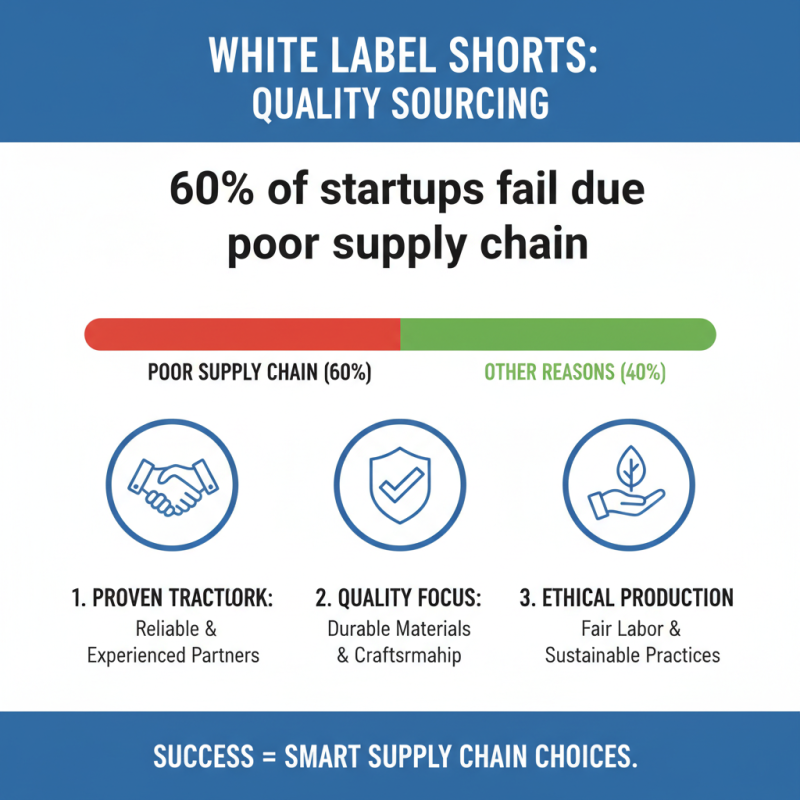
Starting a White Label Shorts business allows you to create a brand that resonates with your target audience without the complexities of manufacturing. However, the competition is fierce, with numerous players already established. Industry statistics show that about 60% of small businesses fail within the first three years, highlighting the need for a solid business strategy and market research.
Many entrepreneurs underestimate the importance of their marketing efforts. A well-defined branding strategy is essential for standing out. Engaging product descriptions and visually appealing designs can strengthen consumer interest. While the entry into this market can be daunting, careful planning and understanding consumer preferences can lead to success.

Understanding the White Label Shorts Business Model and Its Profitability
The white label shorts business model allows entrepreneurs to sell apparel without manufacturing it. This can lead to higher profit margins. According to a 2022 report by Grand View Research, the global activewear market size is expected to reach $546 billion by 2024. This growth provides a significant opportunity for white label businesses.
Starting this model requires careful selection of suppliers. Ideally, look for those with a track record of reliable quality and timely delivery. Suppliers should provide customizable options to fit market demands. Accurate research on target demographics can help establish brand identity. However, not every product will resonate, and market preferences can shift swiftly.
Brands can earn substantial profits, with some reports suggesting margins can exceed 60%. Yet, challenges exist, such as fierce competition and maintaining customer interest. Continuous market analysis is crucial. Reflecting on customer feedback will help refine offerings, but be prepared for trial and error. Embracing setbacks is part of the learning curve in the white label shorts arena.
Identifying Your Target Audience for White Label Shorts Products
Identifying your target audience is crucial for a successful white label shorts business. Recent reports indicate that the athleisure market is predicted to reach $257 billion by 2026. This growth demands a clear understanding of potential customers. Are you targeting fitness enthusiasts, casual wearers, or environmentally conscious shoppers? Each niche possesses unique preferences and purchasing behaviors.
Consider that 60% of consumers prioritize comfort in their apparel choices. This means your product design must prioritize breathable fabrics and ergonomic fits. Research shows that 30% of consumers prefer sustainable options. This trend highlights the importance of eco-friendly materials in your offerings. Engaging directly with potential customers through surveys can reveal insights into their preferences.
Demographics also play a significant role. For instance, the millennial and Gen Z demographics are increasingly focused on brand values and social responsibility. Approximately 75% of them are willing to pay more for sustainable brands. Neglecting to identify these factors may result in wasted efforts and resources. Embracing a data-driven approach is essential for refining your product and marketing strategies.
How to Start a White Label Shorts Business for Profit? - Identifying Your Target Audience for White Label Shorts Products
| Target Audience Segment |
Demographics |
Interests |
Preferred Purchasing Channels |
Price Sensitivity |
| Young Adults |
18-24 years |
Fashion, Social Media, Fitness |
Online Marketplaces, Social Media Ads |
Moderate |
| Busy Professionals |
25-40 years |
Comfort, Style, Convenience |
E-commerce Websites, Brick-and-Mortar Stores |
High |
| Parents |
30-50 years |
Family, Value, Durability |
Retail Stores, Online Shopping |
Moderate |
| Fashion Enthusiasts |
18-35 years |
Trends, Culture, Innovation |
Instagram, Fashion Boutiques |
Low to Moderate |
Developing an Effective Marketing Strategy for Your White Label Shorts
Developing an effective marketing strategy for your white label shorts business requires careful planning and creativity.
It's essential to identify your target audience. Understand their preferences and needs. Utilize surveys or social media polls for gathering insights. Knowing what your customers want is crucial. Create appealing designs and consider current trends in shorts fashion.
Once you've clarified your audience, build your online presence. A user-friendly website can attract customers. High-quality images of your products matter. Invest time in creating engaging content that resonates with potential buyers. Regularly update blogs or fashion tips related to your shorts.
Social media platforms offer great opportunities.
Influencer collaborations can increase your reach. Choose influencers whose style matches your brand. Engage with customers through comments and direct messages. It helps build community and trust. Track your marketing efforts to see what's working. Don’t hesitate to adjust your approach based on feedback.
Reflect on your strategies and strive for continuous improvement. Consider what could have been done differently in past campaigns. Each insight helps sharpen your focus.
Analyzing Sales Metrics and Adjusting Strategies for Optimal Profit
In the world of white label shorts, analyzing sales metrics is crucial for success. Sales data shows that niche markets can yield up to 30% higher profit margins. Understanding these metrics allows businesses to identify what works and what doesn’t. For instance, tracking conversion rates can reveal which designs attract more customers. If a specific style fails to sell, it may be time to reconsider its place in your inventory.
Adjusting strategies based on data-driven insights is essential. Regularly reviewing product performance helps businesses stay agile. A recent industry report indicated that brands that adapt within six months see a 25% increase in profitability. Emerging trends should not be overlooked. Consumers lean towards eco-friendly materials. Ignoring shifts in consumer preferences can lead to missed opportunities. Conversely, overreacting to every trend without data support can create unnecessary complexity.
Improving customer engagement is a balancing act. Personalized marketing strategies have shown a 20% increase in repeat purchases. However, excessive personalization can feel intrusive. It's important to find the right level of engagement. Additionally, pricing strategies should be examined frequently. Overpricing can drive customers away, while underpricing may devalue the brand. Each adjustment is a chance to learn and evolve in the competitive landscape of white label shorts.