How to Start Your Own Private Label Clothing Brand Successfully?
The private label clothing sector is booming. It grew by over 10% in 2022, highlighting a shift in consumer preferences. Many investors find this market attractive. They see potential in building a unique brand identity. However, starting a private label clothing line is not always straightforward.
Challenges exist, like sourcing quality materials and finding reliable manufacturers. You must understand market trends to stand out. According to industry reports, brands that develop a niche can outperform traditional label retailers. Quality and branding are crucial. However, having an excellent product does not guarantee success.
Reflecting on common pitfalls is essential. Many new brands struggle with visibility and marketing strategies. A solid business plan and clear target audience are vital. Be prepared to adapt and learn from missteps. Embrace the journey of building your private label clothing empire. It requires dedication, resilience, and a willingness to innovate.

Understanding the Private Label Clothing Market: Key Statistics and Trends
The private label clothing market is booming. Recent statistics show a steady growth in demand among consumers. Many shoppers prefer personalized styles, which private labels offer. This trend is especially strong among millennials and Gen Z. They seek unique pieces rather than mass-produced items. Embracing this niche allows brands to stand out.
Understanding market trends is crucial. Research reveals that eco-friendly materials are gaining traction. Sustainability is not just a trend; it’s becoming a necessity. Additionally, social media plays a vital role in shaping consumer preferences. Customers often follow influencers for style inspiration. However, keeping up with trends can be a challenge. The market changes rapidly. Brands must be agile and adaptable.
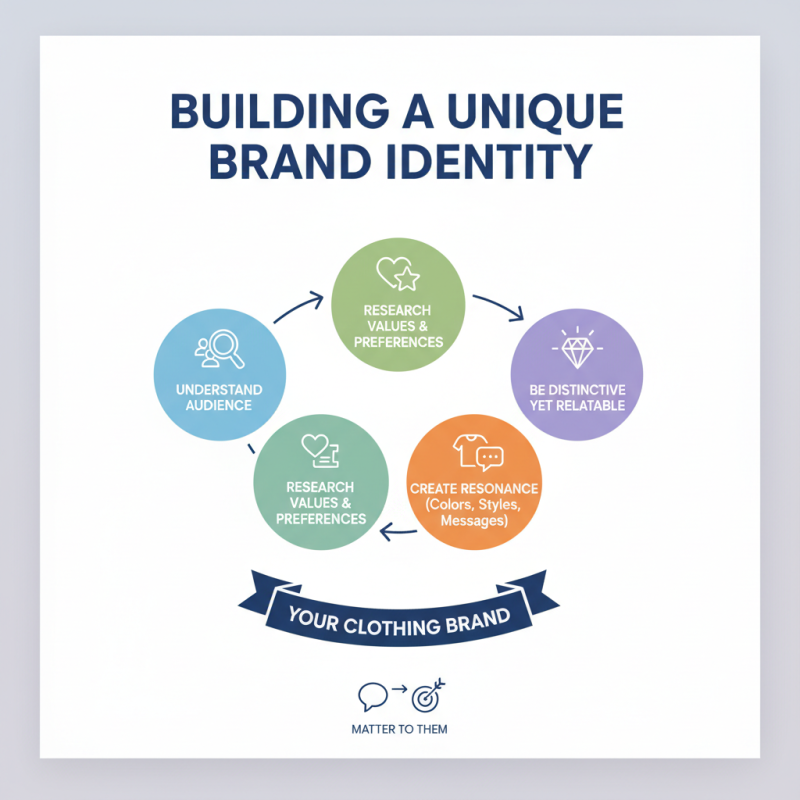
Many entrepreneurs overlook the importance of quality control. Poor-quality items can lead to returns and lost customers. It's essential to invest time in finding the right manufacturer. Testing samples and ensuring quality can be time-consuming but pays off in the long run. Reflect on the importance of building a strong brand identity. Consistency across products can foster loyalty among customers.
How to Start Your Own Private Label Clothing Brand Successfully? - Understanding the Private Label Clothing Market: Key Statistics and Trends
| Category |
Market Size (USD) |
Annual Growth Rate (%) |
Top Region (%) |
Current Trend |
| Activewear |
50 billion |
8.5 |
North America (35%) |
Sustainability |
| Streetwear |
30 billion |
7.2 |
Asia Pacific (40%) |
Collaboration with Influencers |
| Denim |
20 billion |
3.8 |
Europe (32%) |
Vintage Styles |
| Formal Wear |
15 billion |
5.5 |
North America (30%) |
Custom Tailoring |
| Children's Clothing |
10 billion |
6.1 |
North America (38%) |
Organic Materials |
Identifying Your Target Audience and Niche in the Apparel Industry
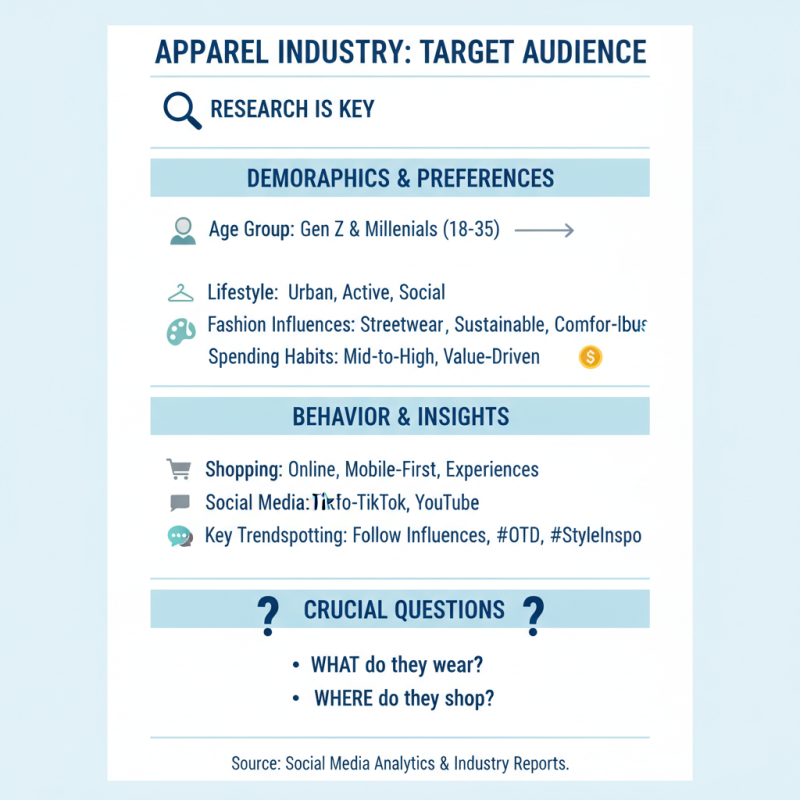
Identifying your target audience is crucial in the apparel industry. Begin by researching demographics, preferences, and shopping behaviors. What age group are you targeting? Consider their lifestyle, fashion influences, and spending habits. Diving into social media can provide insights. Follow trends and observe discussions around clothing styles.
Narrowing down your niche is equally important. Are you focusing on athletic wear, casual clothing, or sustainable fashion? Each segment has unique challenges and opportunities. If you choose activewear, explore what features resonate with your audience. Do they prefer stylish designs or functional wear? Test the waters through surveys or small focus groups. Observe their feedback closely; it can spark new ideas or reveal gaps in your offering.
Honest reflection is key to developing your brand. What do your initial designs communicate? Ensure they align with your audience's expectations. Mistakes will happen during this process. Embrace them as learning experiences. Be prepared to iterate on your designs and marketing strategies. Every piece of feedback is a stepping stone toward finding the right fit for your brand.
Sourcing Quality Materials and Manufacturers for Your Private Label Brand
When embarking on your private label clothing brand journey, sourcing quality materials and manufacturers is pivotal. Conduct research to identify potential suppliers. Utilize online platforms, attend trade shows, and engage industry contacts for recommendations. Aim for transparency in communication. Quality should never be compromised.
Tips: Always request samples before committing to a bulk order. This helps you assess the material and workmanship. Don't hesitate to ask manufacturers about their sourcing practices. Understanding where materials come from can protect your brand's integrity.
It's common to face challenges while sourcing. Sometimes, the materials may not meet your expectations. It’s frustrating but reflective of the learning process. You might have to pivot and seek alternative suppliers. Explore local options; they may surprise you with their quality and responsiveness.
Balancing cost and quality is an ongoing struggle, yet it’s essential for your brand’s success.
Navigating Legal Requirements and Compliance in Clothing Production
Navigating the legal landscape is crucial when starting a private label clothing brand. Brands must consider various compliance requirements. According to the Fashion Institute of Technology, 75% of new brands fail due to legal oversights. Familiarizing yourself with labor laws, trademarks, and textile regulations is essential to avoid costly mistakes.
Tip: Always consult legal experts for assistance. They can help you navigate contracts and supplier agreements. This will save you time and money in the long run.
Additionally, you must understand labeling requirements. Every piece of clothing must contain specific information. This includes the country of origin and care instructions. Failing to comply could lead to fines or product recalls.
Tip: Be meticulous with details. Review regulations frequently as standards evolve. While it may seem overwhelming, staying informed is vital for long-term success.