How to Successfully Implement Logo Printing On Clothes Techniques?
In the ever-evolving fashion industry, "Logo Printing On Clothes" has emerged as a vital technique for brand differentiation. Renowned expert, John Smith, emphasizes, “The right logo can transform simple clothing into a powerful brand statement.” This highlights the significance of effective logo printing methods and their impact on consumer perception.
Achieving success in logo printing requires attention to various factors. Choosing the right printing technique, such as screen printing or heat transfer, plays a crucial role. Each method comes with its pros and cons, and understanding them is essential. For instance, while screen printing offers durability, it can be challenging for intricate designs.
Many brands overlook the importance of quality materials. The fabric used can affect print longevity and vibrancy. It’s a common mistake to prioritize cost over quality. Additionally, a well-thought-out design is a must. Sometimes, simpler logos resonate better with audiences than intricate ones. The journey to perfecting logo printing is fraught with challenges, but the rewards can be significant.
Understanding Different Logo Printing Techniques for Clothing
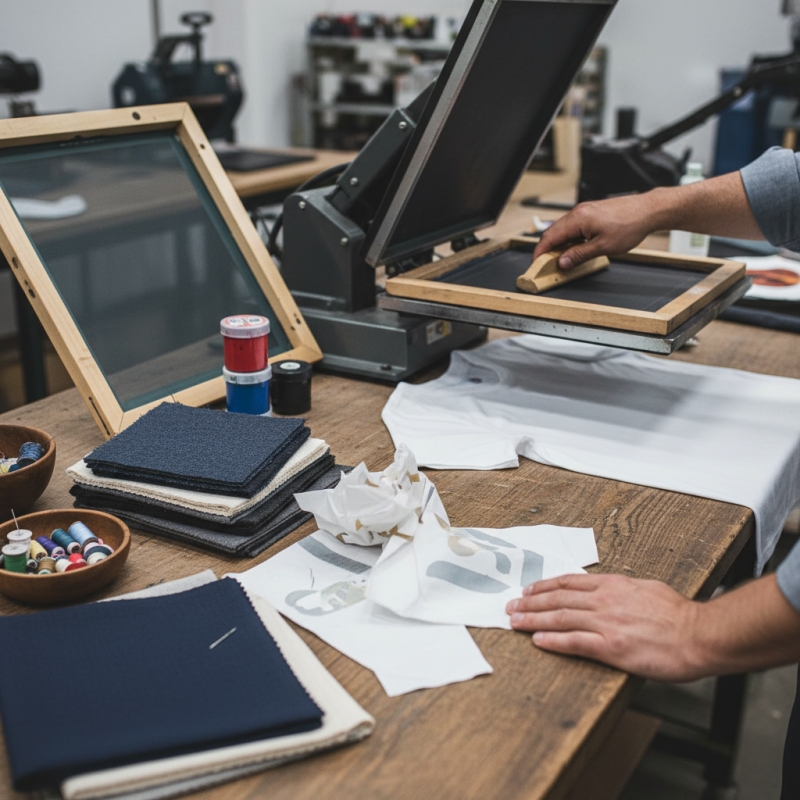
When it comes to logo printing on clothes, understanding the various techniques is crucial. Screen printing is one popular method. It involves pushing ink through a stencil onto fabric. This technique works well for bulk orders. However, the setup cost can be high, making it less ideal for smaller runs.
Direct-to-garment (DTG) printing is another option. It uses inkjet technology to print designs directly onto the fabric. The detail this method provides is impressive. Yet, the process can be slow and may not be as durable as screen printing. Consider how each technique fits your needs before deciding.
Heat transfer printing is also worth exploring. This method involves printing on transfer paper and then applying it to clothing with heat. It works well for detailed graphics. But the longevity of the prints may not meet everyone's expectations. Reflecting on these methods can help improve your logo printing strategy. Each has its pros and cons, making it essential to choose carefully.
Logo Printing Techniques on Clothing
Market Analysis: Choosing the Right Technique Based on Demand
When looking to implement logo printing techniques on clothes, a deep market analysis is essential. Understanding consumer demand helps in selecting the right printing method. For instance, according to a recent industry report, screen printing dominates with a market share of about 40%. However, digital printing is on the rise, favored by 25% of custom apparel consumers seeking quick turnarounds.
Tips: Research local demand. Different regions may prefer specific techniques. For example, urban areas might lean towards digital prints for their vibrant colors and detail. Meanwhile, rural regions may appreciate the durability of screen printing. Knowing these nuances can guide your decision.
Despite the overwhelming data supporting various techniques, challenges persist. Not all printing methods suit every fabric type. Certain blends may not hold ink well, leading to disappointing results. Regular testing is crucial to avoid wasted materials. As preferences shift, staying updated on industry trends through reports can provide key insights. Balancing traditional methods with innovative approaches may yield the best outcomes.
Step-by-Step Process for Screen Printing Logos on Apparel
When it comes to screen printing logos on apparel, preparation is crucial. Start by selecting
high-quality materials. The right fabric makes a difference. Cotton works well, while
synthetic blends can pose challenges. Next, create a design that captures attention. Think of colors and shapes that resonate.
Fewer elements often lead to stronger logos.
Test your design on paper first, as digital screens can lie.
Moving to the printing process, you'll need a screen and squeegee. Each color requires a
separate screen, so plan accordingly. Even a small mistake can ruin a batch. Ensure that your ink is compatible with the fabric. If not, colors may fade or bleed. This step demands patience.
Proper alignment is essential; misplacement will compromise your design.
Once the printing is done, let the garments dry completely. Rushing this step can lead
to smudged prints. Inspect each item carefully. Sometimes, you'll find unexpected flaws
or color inconsistencies. These moments can be frustrating. However, they present opportunities for growth.
Learn from each mistake, as it adds to your experience. With time and
practice, your logo printing skills will improve significantly.
Evaluating Cost-Effectiveness: Materials and Technology in Logo Printing
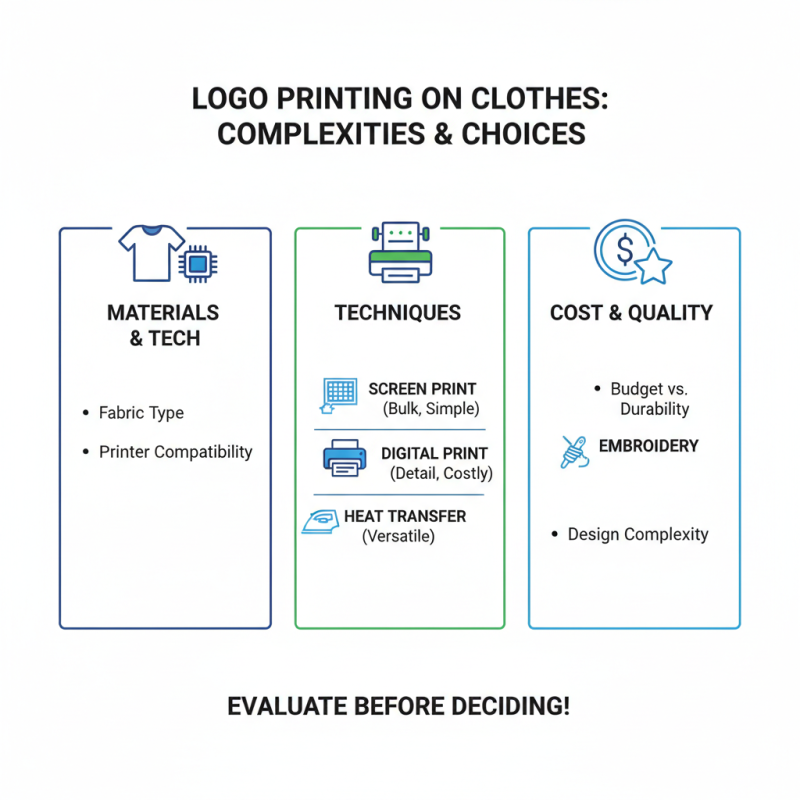
Implementing logo printing on clothes can be complex. It's crucial to evaluate materials and technology before making decisions. Different printing techniques yield varying results. Some methods are more cost-effective than others. For instance, screen printing is popular for bulk orders. However, it may not be ideal for intricate designs. Digital printing can handle complex visuals, but costs can escalate.
When choosing materials, consider fabric types. Cotton holds ink well, but polyester requires different inks. The choice of ink also impacts durability and vibrancy. Without careful selection, prints may fade or crack. This is a common concern among businesses that overlook these details. Each material and technology has strengths and weaknesses, and it’s vital to align them with your brand's needs.
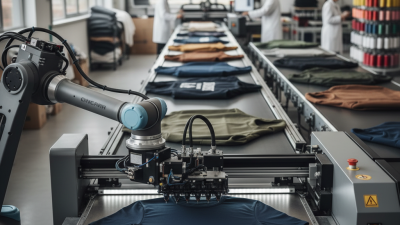
It's not just about the technique. The equipment quality affects results. Investing in top-notch printers can lead to better performance. Automation may save time but can miss subtle details. Balancing cost and quality is essential. Some businesses find themselves over budget by choosing the wrong method. Many discover that testing samples first helps address potential issues. Adjusting your approach based on these results can lead to more successful outcomes in the long run.
Quality Control Measures to Ensure Durable Logo Application
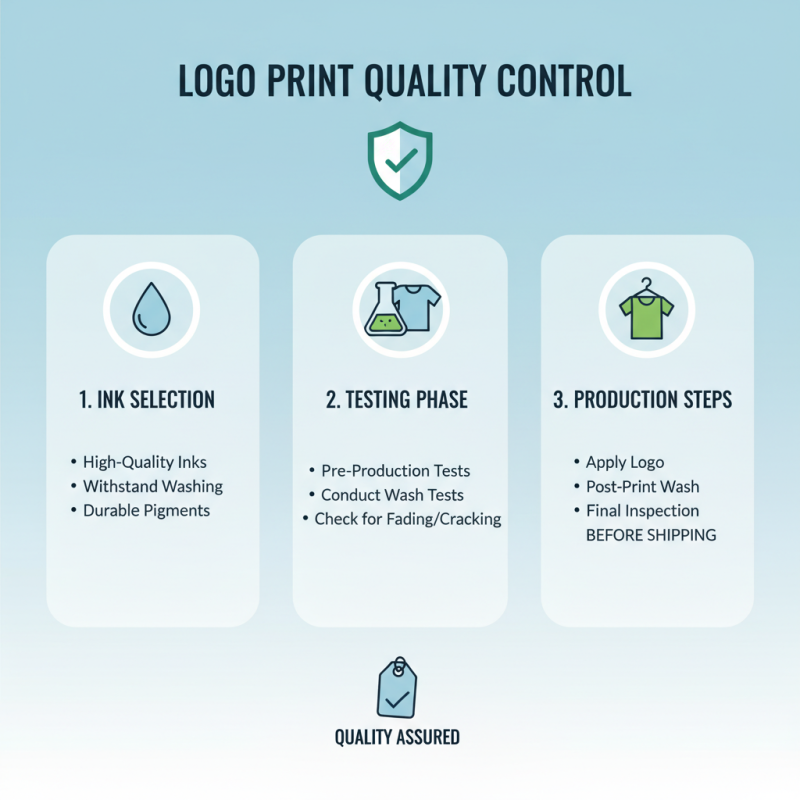
Quality control is essential in logo printing on clothes. Without proper measures, logos can fade, crack, or peel. A good starting point is choosing high-quality inks. These inks should withstand various washing conditions. Consider testing the inks before full-scale production. Conduct wash tests to see how they hold up. It's best to apply the logo and wash it before sending it out.
Another aspect is the printing technique. Screen printing may require more attention than heat transfer methods. Screen printing can lead to inconsistencies if not handled correctly. Always check the mesh count and squeegee pressure. Small adjustments can make a significant difference. Even trained staff may overlook these details sometimes. Regular training can mitigate such issues.
Lastly, observe the application process closely. Misalignment can ruin a design's overall appearance. Inspect each printed piece before moving to packaging. This may slow production, but it ensures quality. Each step contributes to the final product's value. Reflect on past mistakes, and learn from them. Quality control is not just a checklist; it’s an ongoing commitment to excellence.