Top 10 Tips for Logo Printing on Clothes for Your Brand?
In the competitive world of branding, "Logo Printing On Clothes" has become essential for businesses. Industry expert Sarah Thompson, a seasoned graphic designer with over 15 years of experience, once stated, "A logo isn't just a design; it's the face of your brand." Her insights reflect the importance of choosing the right techniques to ensure effective branding.
Logos printed on clothing serve as walking advertisements. When done right, they can communicate your brand's values and personality. However, many brands overlook crucial elements that can impact their visibility and recognition. It is essential to consider fabric type and printing method. These choices can greatly influence the final appearance and feel of the garment. Many brands sometimes rush this decision, leading to poor quality prints that fail to represent their identity.
Moreover, consistency in logo placement can make or break the appeal of your clothing line. Uniformity across products fosters brand recognition. Yet, many brands experiment with different placements, which can dilute their message. Recognizing these challenges can help brands refine their approach to "Logo Printing On Clothes," ensuring that their designs resonate with their audience and stand out in the market.

Choosing the Right Fabric for Logo Printing on Clothing
Choosing the right fabric for logo printing is crucial. Different materials respond differently to printing techniques.
Cotton is popular for its softness and breathability. It holds ink well and allows vibrant colors. However, it can shrink and fade over time.
For a more durable option, consider polyester. This fabric resists wrinkles and is less likely to fade. Yet, the texture may not appeal to everyone.
Blend fabrics combine the strengths of each material. A cotton-polyester blend can offer comfort and durability. But, consider the printing method. Some fabrics may not be suitable for heat transfer or screen printing. Experimenting with fabric samples is essential. It's vital to see how your logo appears on each type.
Not all fabrics will produce the same results. You might need to adjust your design as well.
Before making a decision, think about your audience. The right fabric reflects your brand’s identity. A high-quality print on the wrong fabric can lower perceived value. Pay attention to the feel and look of the fabric.
A shirt that feels cheap can tarnish your brand image. Gathering feedback on samples can lead to better choices.
Each fabric presents its own challenges and advantages. Keep testing until you find the perfect match.
Understanding Different Printing Techniques for Apparel
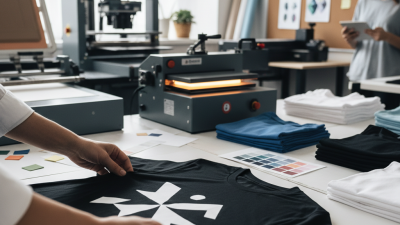
When it comes to printing logos on apparel, understanding different techniques is crucial. Screen printing is popular for its durability and vibrant colors. This method uses a stencil and ink, allowing bold designs to stand out. However, it may not be suitable for intricate details or small runs. The setup cost can be high, making it less ideal for small brands.
Digital printing offers a modern alternative. It uses inkjet technology to apply the design directly onto fabric. This method allows for more complexity and color variation. The downside is that it might not be as durable as screen printing. Fading can occur after multiple washes, requiring careful consideration.
Heat transfer is another technique worth exploring. It involves applying a special vinyl or printed design to the fabric using heat and pressure. While it’s great for custom jobs and quick turnarounds, it can be less durable over time. Each method has its benefits and drawbacks. Choosing the right one requires thoughtful assessment of your brand's needs.
Top 10 Tips for Logo Printing on Clothes for Your Brand
| Tip |
Description |
Printing Technique |
Best For |
| 1. Choose the Right Fabric |
Select fabric that works well with your chosen printing technique. |
Screen Printing |
Cotton, Polyester |
| 2. Color Management |
Use the right color profiles to ensure accurate colors. |
DTG (Direct to Garment) |
Bright Colors |
| 3. Design Simplification |
Simplify designs to reduce costs and improve clarity. |
Heat Transfer |
Graphic T-Shirts |
| 4. Test Samples |
Order samples to evaluate quality before production. |
Embroidery |
High-End Apparel |
| 5. Print Placement |
Carefully decide where to place your logo on the garment. |
Sublimation |
All-Over Print Designs |
| 6. Consider Durability |
Choose techniques that offer long-lasting prints. |
Screen Printing |
Everyday Wear |
| 7. Eco-Friendly Inks |
Opt for environmentally friendly inks and materials. |
DTG (Direct to Garment) |
Sustainable Fashion |
| 8. Understand Size Specifications |
Make sure your design fits the garment size correctly. |
Heat Transfer |
Various Sizes |
| 9. Feedback and Iteration |
Gather feedback on samples to refine your designs. |
Embroidery |
Professional Wear |
| 10. Know Your Audience |
Tailor your designs to meet the preferences of your target market. |
Screen Printing |
Youthful Apparel |
Design Considerations for Logos on Clothing
When designing logos for clothing, clarity is paramount. A clear logo ensures that your brand is easily identifiable from a distance. According to a study by the American Marketing Association, logos that are simple and bold tend to attract more attention. The best logos use contrast effectively. This helps in maintaining visibility, especially on varied fabric colors.
Choosing the right placement for your logo is also crucial. Research shows that logos placed on the left chest area create a professional look. Meanwhile, large logos on the back can draw attention but may overpower the clothing design. Balancing size and placement reflects a thoughtful design choice, promoting brand recall.
Material selection poses another challenge. Some fabrics absorb ink differently, impacting the final product. A survey from Printful indicates that 65% of customers prefer soft, high-quality fabrics over heavier ones, regardless of logo visibility. It’s essential to consider how your logo will translate onto various materials. Regular testing would lead to better results, ultimately aligning the logo with the quality of the apparel itself.
Sizing and Placement of Logos for Maximum Impact
When designing logos for apparel, sizing and placement play crucial roles in maximizing brand impact. Data shows that logos sized between 3 to 5 inches wide often balance visibility and aesthetics effectively. If your logo is too small, it may get lost, while an oversized logo can overwhelm the garment. According to a recent survey, 68% of consumers reported that they were more likely to notice logos that were strategically placed on the chest or back rather than on sleeves or tags.
Placement also varies depending on the garment type. For t-shirts, central placement often works best, while a left chest logo is preferred for polo shirts. A study from the Apparel Marketing Association indicates that logos placed on the upper half of the garment enhance visibility and memorability, with a 22% increase in brand recall. However, improper sizing or placement can lead to several challenges. Overly large logos might distort during washing or wear, while small logos could fade into the background.
Consider the context of wear. For activewear, vibrant colors and prominent placements can energize the design, capturing attention during movement. However, understated logos may resonate more with formal attire. Thoughtful reflection on these details can help refine your branding strategy, ensuring logos enhance rather than detract from the overall garment appeal.
Maintaining Quality and Durability in Logo Printed Garments
When it comes to logo printing on clothing, maintaining quality and durability is essential. The choice of printing method can significantly impact the final product. Techniques like screen printing and direct-to-garment printing offer different advantages. Screen printing tends to produce vibrant colors, while DTG allows for detailed designs. Both methods require careful attention to fabric types and their reactions to inks.
Selecting high-quality materials is crucial. Cotton blends often yield better results than 100% polyester due to their ability to absorb ink. However, polyester is more durable. Achieving the right balance between fabric quality and printing technique ensures prints withstand frequent washing. You may find some inks fade after several washes. Testing print samples before full production is a wise practice.
Caring for printed garments is another factor. Educate customers about proper washing techniques to prolong the life of their apparel. Avoiding harsh detergents and high heat during drying can help maintain vibrancy. However, some customers may ignore these guidelines. Consider labeling garments with care instructions to enhance durability. Feedback is essential; listen to what customers say about wash performance. Every detail matters in creating a lasting impression.
Top 10 Tips for Logo Printing on Clothes